
Your Progress Photos
How, Why, and What to Wear
At The Level Up! Arena, progress photos are a powerful tool to help you achieve your goals. They allow us to track your transformation beyond the scale, measuring changes in posture, muscle shape, fat loss patterns, and body proportions.
We also understand that photos can feel vulnerable. That’s why we’ve created this guide to help you feel confident and safe in the process. Below, we’ll go over the poses, what to wear, and practical tips to make this easy and comfortable.
Note: Even if you decide not to share progress photos with your coach, we cannot stress enough how important and helpful they are for your own private journey. Lock them in a secure folder on your phone if that makes you more comfortable.
💬 Your Comfort Comes First
Remember:
- These photos are your choice.
- We’ll never ask you to share images that make you uncomfortable.
- We keep your photos 100% confidential unless you explicitly choose to share your journey publicly.
- You may also choose to blur or conceal your face in photos you send to your coach if it makes you feel more comfortable. However, we highly recommend keeping unedited versions for your own records. If you ever decide to share before-and-after photos publicly, you can always crop your face out later, but you can’t un-crop it if you decide you’d like full-body images to show your entire transformation.
Poses
Below are poses that are incredibly useful to capture for your fitness journey. For Onboarding, we request all the following photos if you are comfortable sharing them. They will allow us to assess your starting point and any functional movement issues. For the weekly check-in, we only request photos 1-3 weekly, unless we are working on a specific issue that would require additional documentation.
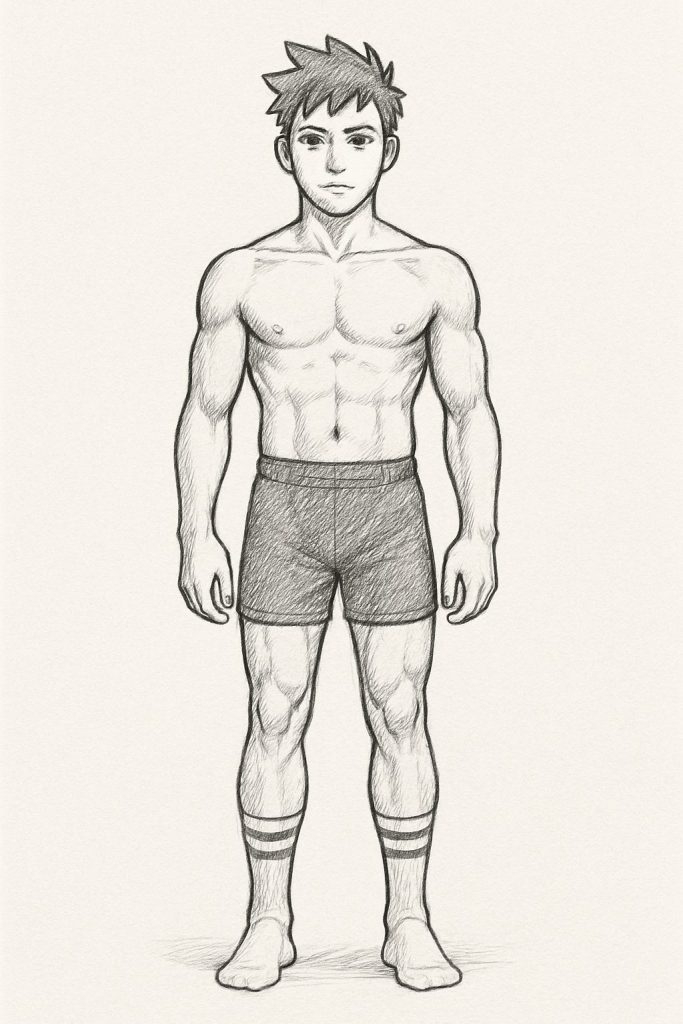
1. Front Full-Body (Relaxed Pose)
Purpose: Helps us assess posture, balance, overall fat distribution, muscle symmetry, and any natural stances like foot turnout.
How to Take It:
- Stand tall, facing the camera.
- Feet hip-width apart, toes pointed straight ahead.
- Arms relaxed at your sides, not flexed.
- Stand naturally, no sucking in your stomach or flexing.
- Keep your head level, looking straight at the camera.
- Include your full body in the frame, from head to feet.
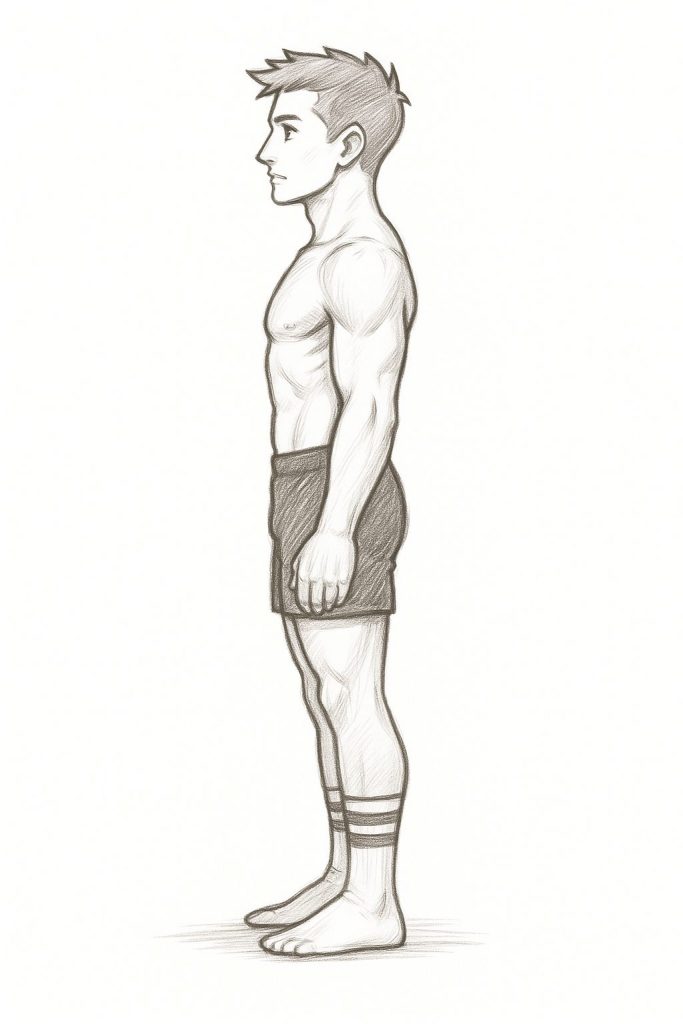
- Side Full-Body (Relaxed Pose) – Left and Right
Purpose: Shows posture from the side, spine alignment, belly profile, chest depth, glute shape, pelvic tilt.
How to Take It:
- Stand sideways to the camera.
- Feet hip-width apart.
- Arms relaxed at your sides, not flexed.
- Head facing forward (don’t turn toward the camera).
- Stand tall and natural, no flexing or posing.
- Include your entire body from head to feet.
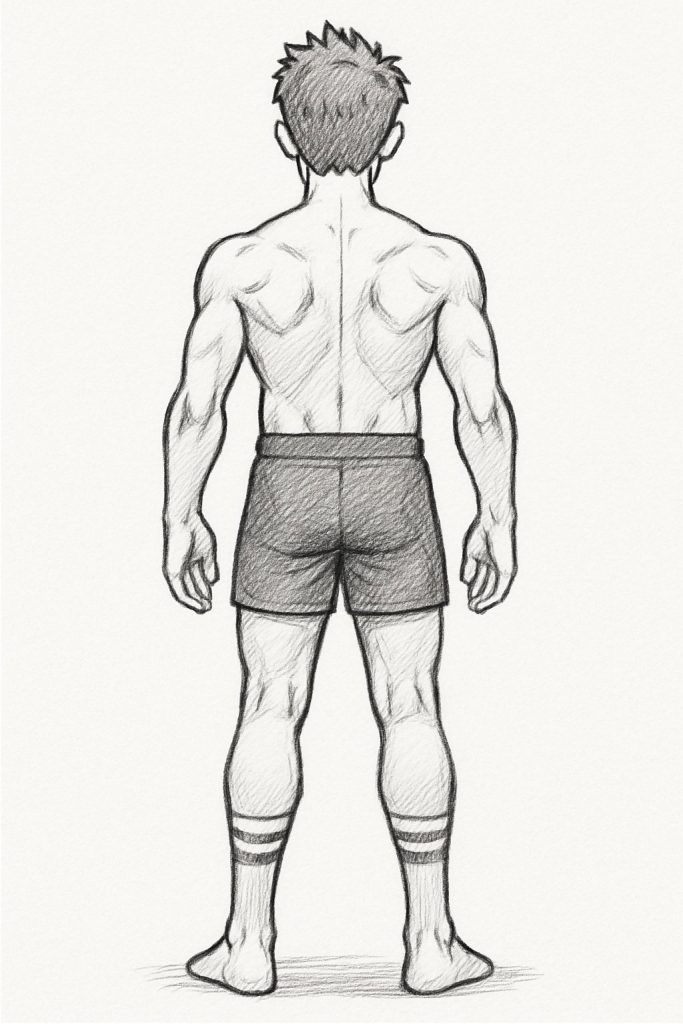
- Back Full-Body (Relaxed Pose)
Purpose: Critical for assessing back muscle balance, waist taper, shoulder symmetry, and glute shape.
How to Take It:
- Stand facing away from the camera.
- Feet hip-width apart, toes pointing straight ahead.
- Arms relaxed at your sides, not flexed.
- Stand tall and natural, no flexing or twisting.
- Keep shoulders level and even.
- Include your full body from head to feet.
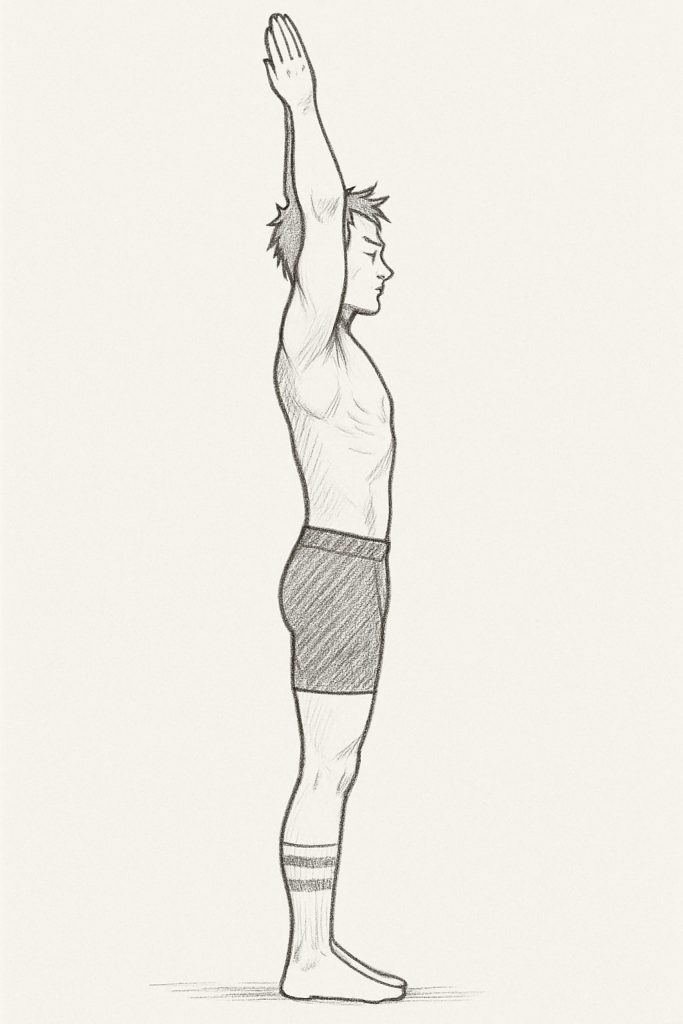
- Arms Overhead – Side View
Purpose: Shows shoulder mobility, rib flare, and how your core stabilizes during movement.
How to Take It:
- Stand sideways to the camera.
- Feet hip-width apart.
- Raise both arms straight overhead next to your ears.
- Keep elbows straight if possible.
- Keep your head facing forward.
- Stand tall, don’t lean forward or backward.
- Include your full body in the frame.
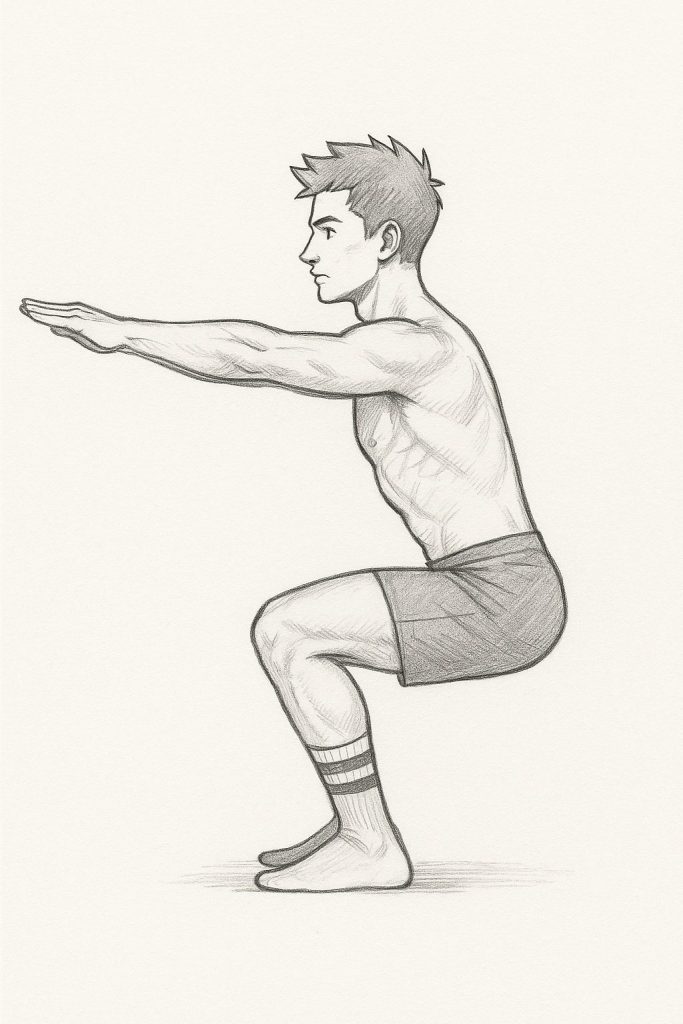
- Squat Pose – Side View
Purpose: Reveals mobility, ankle flexibility, hip hinge patterns, and spinal neutrality under load.
How to Take It:
- Stand sideways to the camera.
- Feet hip-width or shoulder-width apart.
- Lower into a squat as deeply as you can while keeping your heels on the ground.
- Keep your chest up and your spine neutral.
- Arms can reach forward for balance if needed.
- Hold briefly while the photo is taken.
- Include your full body in the frame.
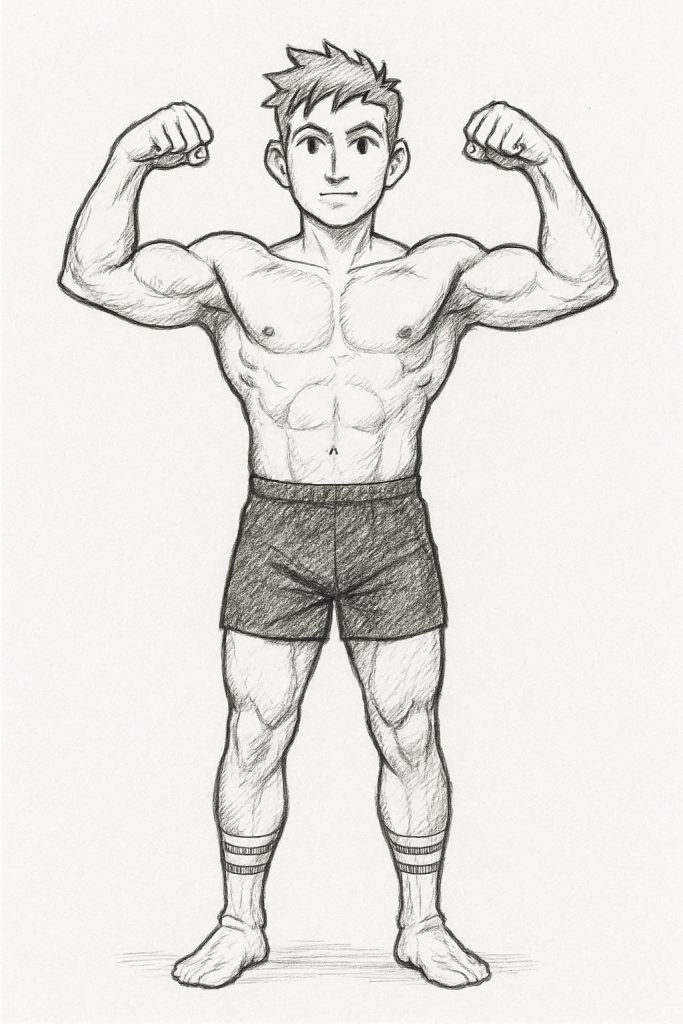
- Double Biceps Flex – Front View
Purpose: Helps track upper body muscle development, symmetry, and shape over time.
How to Take It:
- Face the camera directly.
- Bring both elbows up to shoulder height or slightly higher.
- Flex your biceps by squeezing them tightly.
- Keep your fists closed or palms facing inward.
- Stand tall with abs lightly engaged.
Include your full body in the frame from head to toes. This allows us to see your stance, posture, and overall physique balance while flexing.
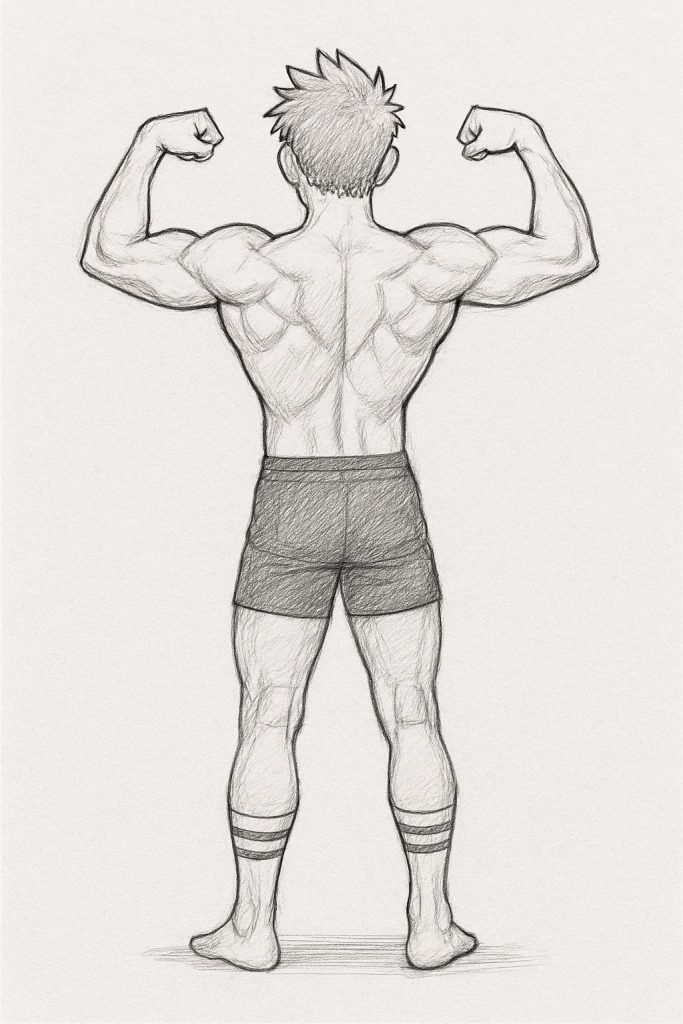
- Double Biceps Flex – Rear View
Purpose: Helps track back muscle development, shoulder and upper back symmetry, and overall shape of the rear upper body.
How to Take It:
- Stand with your back to the camera.
- Bring both elbows up to shoulder height or slightly higher.
- Flex your biceps by squeezing them tightly.
- Keep your fists closed or palms facing inward.
- Keep your shoulders level and square.
- Include your full body in the frame from head to toes. This allows us to see your stance, posture, and overall physique balance while flexing.
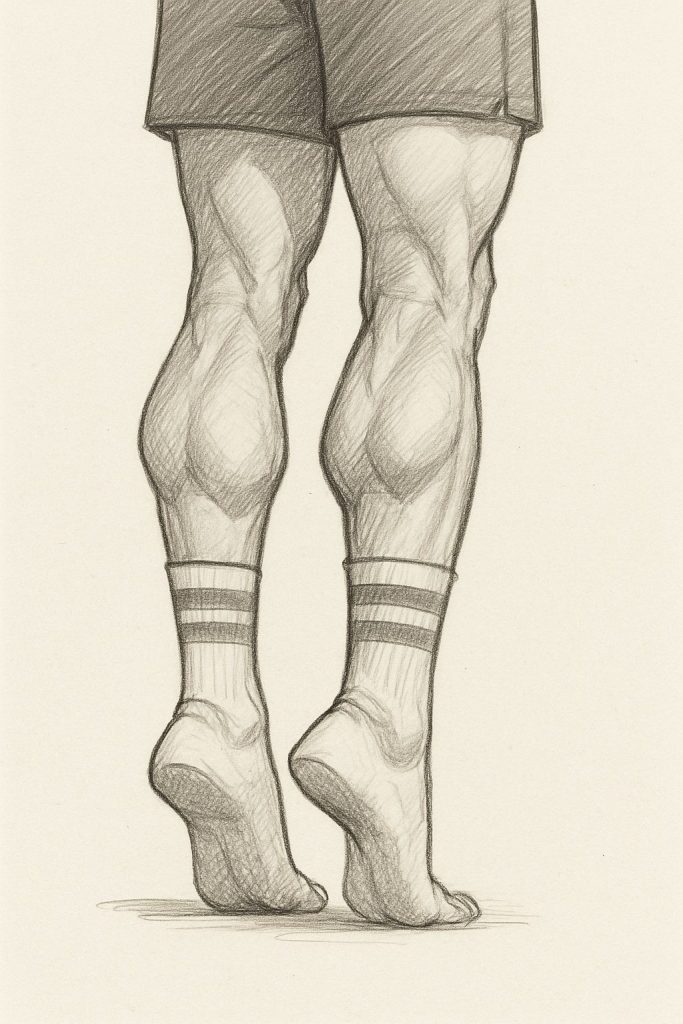
- Calf Flex Close-Up
Purpose: Tracks lower leg development, symmetry, and shape.
How to Take It:
- Face away from the camera or stand sideways.
- Stand on your toes to flex your calves.
- Keep legs straight but not locked out.
- Include your lower legs from just below the knee down to your feet.
- Make sure the lighting shows muscle definition clearly.
General Tips for All Poses:
- Place the camera at about chest height for standing shots.
- Use a plain background with good lighting.
- Stand about 6-8 feet from the camera unless it’s a close-up.
- Wear the same outfit each time for consistency.
- Choose solid, neutral colors to avoid distractions.
- Remove jewelry or accessories that could obscure body lines.
- If you have long hair, secure it in a ponytail, bun, or braid to keep it off your shoulders and back so your physique is fully visible in your photos.
- Avoid filters or photo editing.
- Have someone take the photos for you if possible or use a tripod and timer.
Progress Photo Outfit Standards
Your progress photos are one of the most important tools we have to track your transformation accurately. They help us see changes in body composition, muscle definition, posture, and other details the scale can’t show.
We understand everyone has different comfort levels when it comes to clothing and photos. To help you choose, here’s our Good / Better / Best guideline for progress photo outfits.
Important: Photos in oversized clothing (like baggy t-shirts, sweatshirts, or loose pants) do not meet our standards because they hide your true physique.
✅ GOOD
Males:
- Bottoms: Fitted shorts (like compression shorts, bike shorts, or snug athletic shorts).
- Top: Fitted tank top or sleeveless shirt.
- Barefoot or in socks.
- Hair pulled back if long.
Females:
- Bottoms: Fitted shorts or leggings.
- Top: Fitted tank top or sports bra worn under a fitted tank (can keep tank on if modesty desired).
- Barefoot or in socks.
- Hair tied up or back.
→ This is our minimum standard for clear body visibility. It covers modesty but still allows us to assess progress.
✅ BETTER
Males:
- Bottoms: Fitted boxer briefs, short compression shorts, or swim trunks.
- Top: No shirt.
- Barefoot or socks.
- Hair pulled back if long.
Females:
- Bottoms: Snug boyshorts, high-cut athletic briefs, or short compression shorts.
- Top: Sports bra or supportive athletic crop top.
- Barefoot or in socks.
- Hair tied up or back.
→ This option shows more of your shape and is very helpful for tracking details like waist changes, abdominal definition, glute development, and posture.
✅ BEST (Recommended)
Males:
- Bottoms: Fitted posing trunks, briefs, or snug boxer briefs in a solid color.
- Top: No shirt.
- Barefoot.
- Hair pulled back if long.
Females:
- Bottoms: High-cut athletic briefs, posing trunks, or short compression shorts in a solid color.
- Top: Sports bra or supportive athletic crop top.
- Barefoot.
- Hair tied up or back.
→ This is the gold standard for progress photos. It provides the clearest view of your body’s changes and is ideal for precise coaching feedback and visual comparisons over time.
Why These Standards Matter:
- They help us measure subtle changes in your body’s shape and posture.
- Consistent outfits and poses make comparisons accurate over time.
- Clear visibility allows your coach to identify potential issues like muscle imbalances or postural shifts early.
Remember: Your progress photos are not about perfection, they’re about honesty, growth, and celebrating how far you’ve come. We’re here to support you every step of the way. Let’s Level Up! together!